Athletics news
Erskine CollegeWomen's soccer

erskinesports.com
Erskine College · Women's soccer · D2
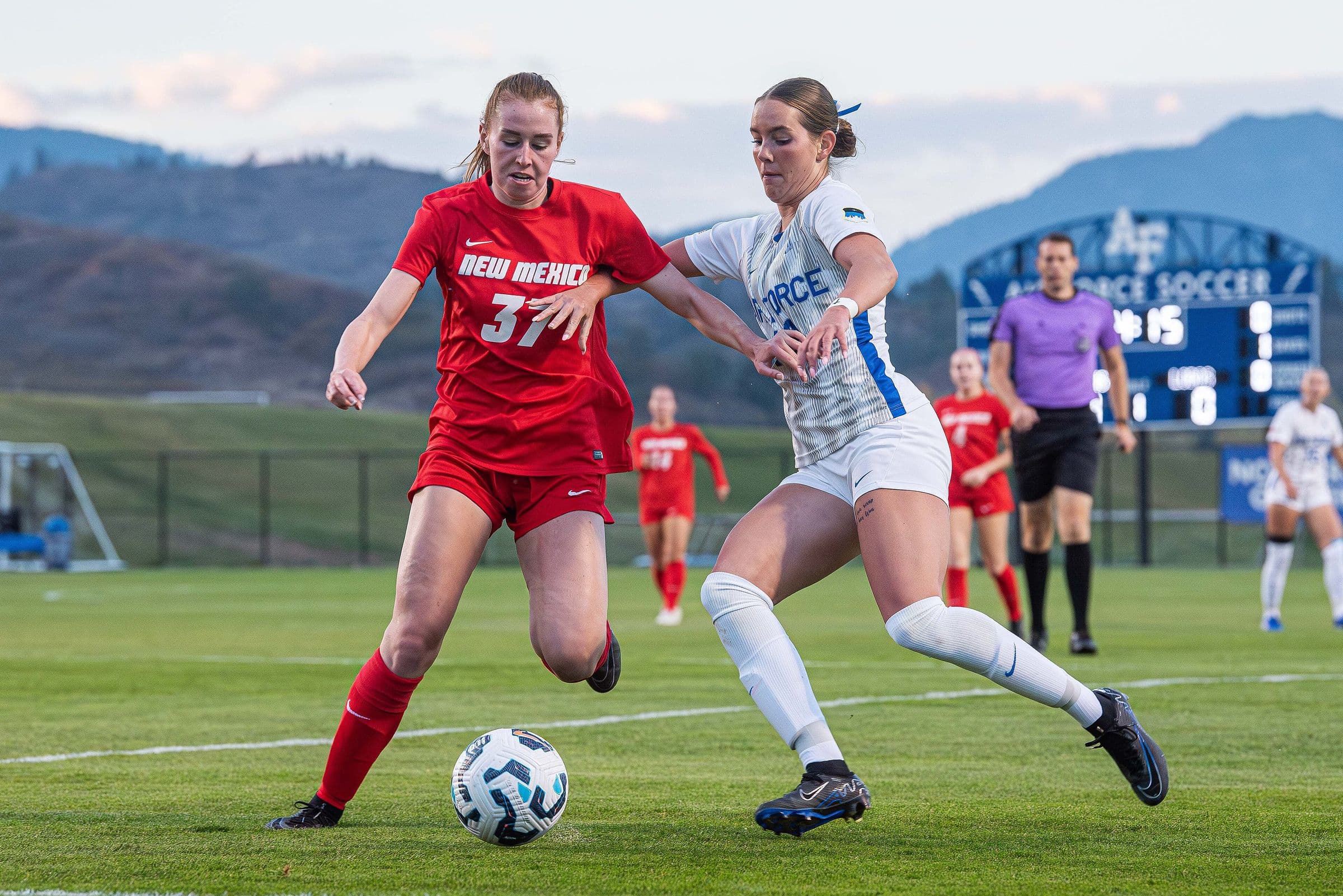
Erskine Women's Soccer | Schuhlein's late goal not enough for Fleet at Southern Wesleyan
Read it at erskinesports.com
Resources
10 guides with their sources, the latest college soccer news, four dates that matter, and four straight answers about what we do not know. Nothing here is a teaser for something you have to pay for.
Roster spots
66,998
Programs
2,215
Coaches on file
7,561
10 guides. Every figure is counted from the data the app uses, and every rule links to the body that made it.
When a college coach is actually allowed to reply
Silence in March is usually a rule, not a rejection. The date that changes everything is June 15 after sophomore year — and it is not the same date in every division.
Read itA roster opening is room, not just a departure
Every program loses seniors. That is not an opening. An opening is who leaves at your position, against how deep the squad already is behind you.
Read itStretch, Strong fit and Fair fit describe fit, not your odds
Stretch means a program usually recruits above your level. Strong and Fair fit are schools at your level, split by how well they match you. None of them is a chance of being recruited.
Read itThe transfer portal, in numbers we can actually see
Some programs rebuild from the portal every year and some almost never touch it. The difference is readable from their rosters, and it decides where a transfer should spend their thirty days.
Read itDo players actually stay in that program?
High turnover can mean playing time is available. It can also mean people leave unhappy. The number is worth knowing before you commit four years to it.
Read itDivision I is not the only good answer
There are four four-year levels and two governing bodies. Sorting them by prestige is how families end up with a list of nine schools that will never reply.
Read itWhat a first email to a coach should actually contain
A coach opens it on a phone between sessions. Everything that is not about their program is costing you the part that is.
Read itWhat 'a level up' actually means in youth soccer
A better badge is not the same as a better team. Age-group results tell you which is which, and they are public.
Read itWhat an ID camp is actually for
A camp is a tryout you pay to attend. That is not a criticism — it is the thing to be clear-eyed about before you book one.
Read itThe sticker price is not the price
Published tuition is where the conversation starts and almost never where it ends. Here is what the number on a school's page does and does not tell you.
Read it38 more guides, each answering one question. Every rule in them was read on the governing body’s own pages and is dated.
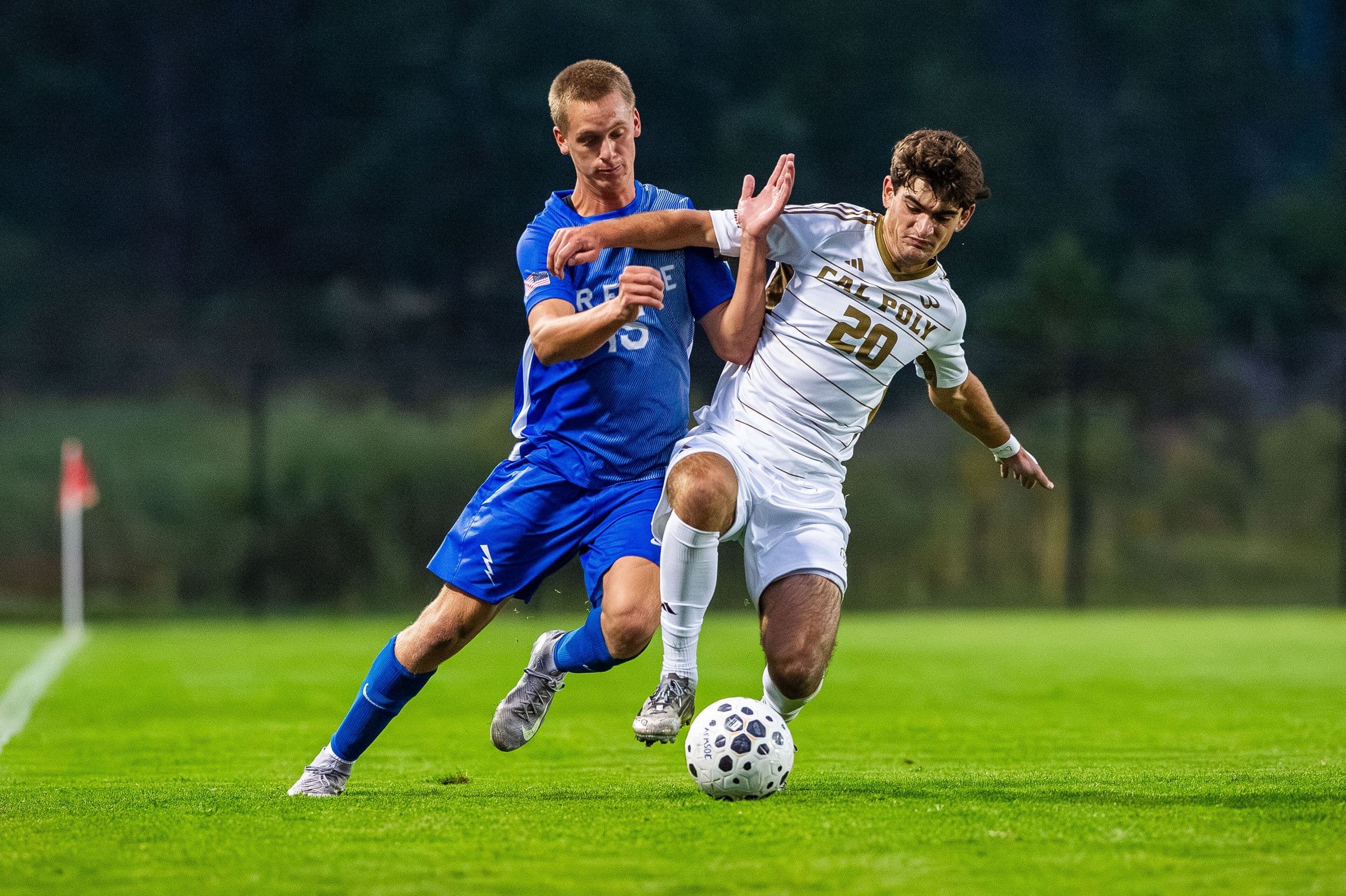
What programs are saying about their own seasons, newest first. Swipe or wait; every story opens on the school’s own site.
erskinesports.com
Erskine College · Women's soccer · D2
Read it at erskinesports.com
 Athletics news
unlvrebels.com
UNLV · Men's soccer · D1
Read it at unlvrebels.com
Campus: UNLVStan ShebsCC BY-SA 3.0
 Athletics news
bethanybison.com
Bethany College (West Virginia) · Women's soccer · D3
Read it at bethanybison.com
Campus: Bethany College (West Virginia)NyttendPublic domain
 Athletics news
erskinesports.com
Erskine · Men's soccer · D2
Read it at erskinesports.com
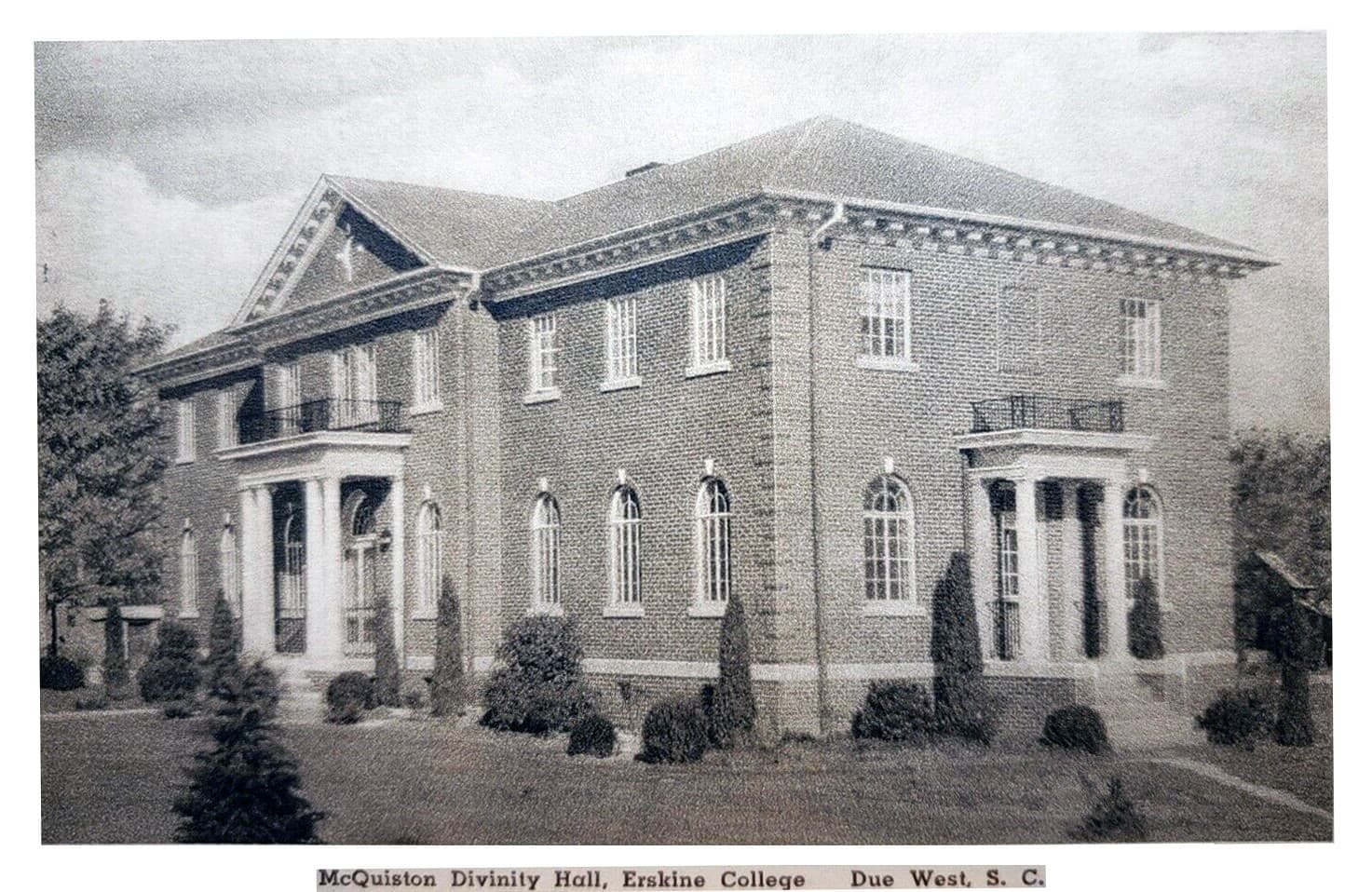
Campus: ErskinePublished for J. M. Plaxco, Due West, South Ca…Public domain
 Athletics news
avemariagyrenes.com
Ave Maria · Women's soccer · NAIA
Read it at avemariagyrenes.com
Campus: Ave MariaFr James Bradley from Washington, DCCC BY 2.0
 Athletics news
colby-sawyerathletics.com
Colby-Sawyer · Men's soccer · D3
Read it at colby-sawyerathletics.com
Campus: Colby-SawyerJosephbrophy at English WikipediaPublic domain
landerbearcats.com
Lander University · Women's soccer · D2
Read it at landerbearcats.com
The newest story from programs across the country, women’s and men’s in turn, read from each school’s own athletics news feed (last checked Oct 15). Headlines and links are theirs; the pictures are our picks, each with its own credit, and a school we hold no photo of shows its crest.
The same milestones the app puts on a player’s own timeline, dated to their graduation year.
The first day a D1 coach can reply to you
Before that date, NCAA Division I coaches can read your email but cannot answer it. Division II coaches can already write back, and D3 and NAIA have no date. So the email to a D1 staff goes BEFORE the date: your film is in the inbox the morning they are free to reply.
Division I coaches can host your unofficial visit
An unofficial visit is one you pay for yourselves, and you can make as many as you like. In Division I soccer, one that involves the coaching staff may not happen before August 1 before junior year (Bylaw 13.7.1.1). Before then you can still walk the campus and watch a game as members of the public. In Division II and III, unofficial visits are unlimited, at the family’s own expense. Watch a training session, not just a game day. An hour of training shows how a staff treats its players.
The year that decides most of it
The camps you attend this year are the ones staffs remember. Pick a few at schools that are realistic. Four camps you were right for beats twelve you were not.
The late window nobody tells you about
Rosters move again after signing day, when the first wave of players formally commits. Division II, Division III and NAIA staffs are still filling that fall's group, and a well-timed email lands on a coach with a hole to fill.
Where we don’t hold something, the product says so rather than filling the gap. These are the four places it matters most.
Every milestone above is generic until it has a graduation year attached to it. Put one in and the app dates all four, then ranks the schools they apply to.